
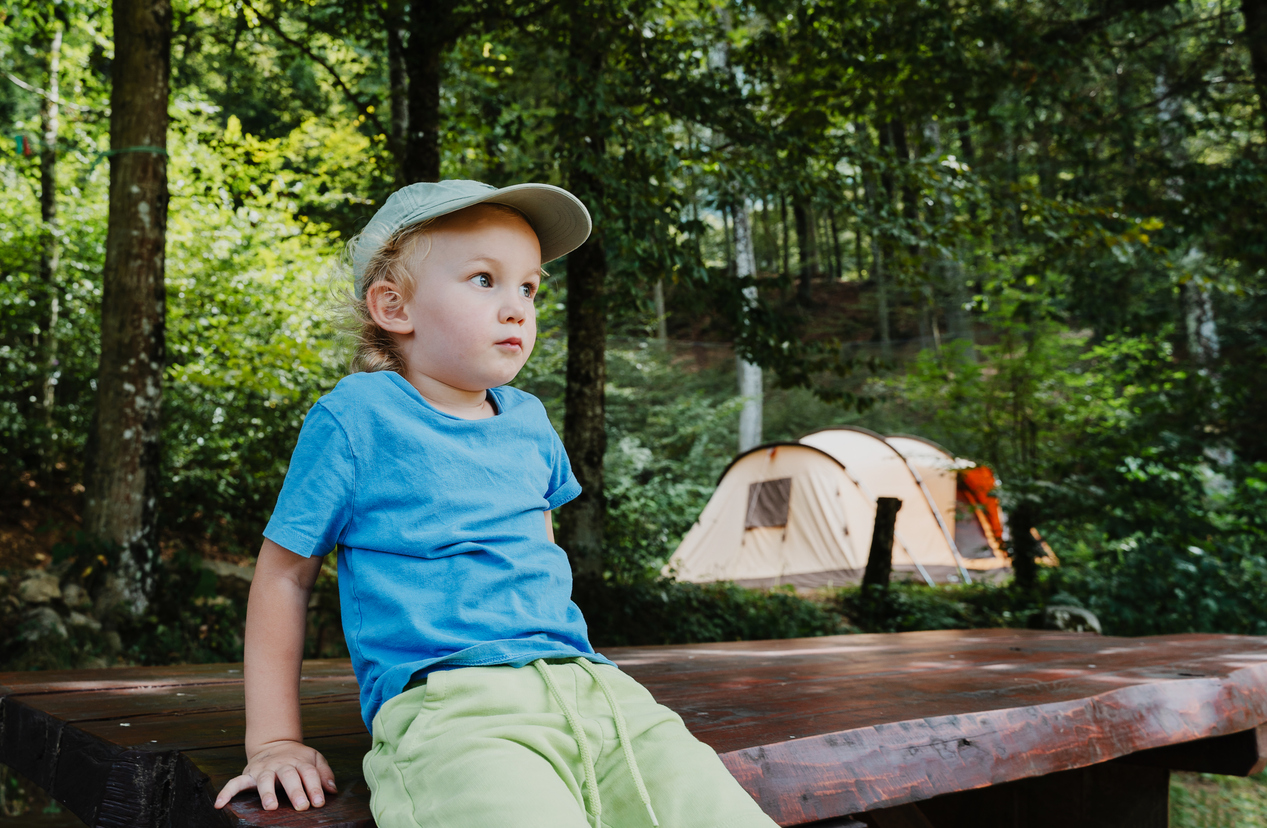
As children grow, summer often brings new opportunities for independence. Sleepovers, camps, overnight trips, visits with relatives, and group activities may place children outside their familiar home environment for longer periods of time. For many families, this is exciting—but for parents of perceptive children, it can also bring understandable concern.
Parents may wonder:
- Will my child feel overwhelmed away from home?
- What if they experience increased psychic or ESP sensitivity?
- How much support should I provide before they leave?
These questions are common. Perceptive children often rely heavily on familiar routines, environments, and emotional anchors. Being away from home can temporarily increase emotional sensitivity and make unusual experiences feel more noticeable.
At the same time, these experiences can also become important opportunities for growth, resilience, and confidence.
Why Being Away From Home Feels Different
Home environments provide predictability and emotional safety. Children know the routines, sounds, expectations, and rhythms of home life. When they leave that environment, their nervous systems must adapt quickly.
For perceptive children, this adjustment may feel especially intense because unfamiliar settings often include:
- New sensory input
- Different emotional dynamics
- Less predictable schedules
- Separation from familiar supports
This does not necessarily mean a child is unprepared or incapable. It means transitions may require more intentional preparation.
Parents can revisit foundational guidance on the Perceptive Children home page to stay grounded in a calm, developmental approach.
Common Reactions During Independence Transitions
Even children who are excited about independence may show signs of stress before or during time away from home.
Common reactions include:
- Increased emotional sensitivity before departure
- Difficulty sleeping in unfamiliar places
- Heightened homesickness
- Feeling overwhelmed in group settings
- Increased reports of vivid dreams or intuitive experiences
These responses are often part of the adjustment process rather than signs that something is wrong.
Preparing Children Without Increasing Anxiety
Preparation is important, but too much emphasis on possible challenges can unintentionally increase fear.
Helpful preparation may include:
- Reviewing practical details calmly
- Talking about what the child can do if they feel overwhelmed
- Reinforcing that it is normal to need adjustment time
- Practicing simple grounding strategies ahead of time
The goal is to communicate confidence in the child’s ability to cope.
Helpful language may include:
- “New places can take time to get used to.”
- “You already have tools that help you feel calm.”
This reinforces capability rather than vulnerability.
Encouraging Portable Regulation Skills
One of the most important developmental shifts for perceptive children is learning that regulation skills can travel with them.
Helpful portable strategies include:
- Slow breathing
- Brief quiet breaks
- Focusing on physical surroundings
- Using familiar comfort items
Children who practice these skills at home are more likely to use them successfully away from home.
Parents often find reassurance in the guidance available in the Frequently Asked Questions section, which helps normalize adjustment challenges during transitions.
Avoiding Excessive Monitoring
When children are away from home, parents may feel tempted to check in constantly. While occasional communication can be supportive, excessive monitoring can unintentionally communicate anxiety.
Instead, it is often more helpful to:
- Keep check-ins calm and predictable
- Focus on general well-being rather than unusual experiences
- Reinforce confidence in the child’s ability to adapt
Children often take emotional cues from their parents. Calm confidence helps support emotional stability.
Supporting Children if Difficult Experiences Occur
Sometimes perceptive children may report feeling uncomfortable, overwhelmed, or unusually sensitive while away from home. If this happens, the most supportive response is usually calm reassurance rather than urgency.
Helpful responses include:
- “That sounds like a strong feeling.”
- “What helps you feel more settled?”
- “You’ve handled difficult moments before.”
The focus should remain on regulation and emotional safety rather than interpretation.
Balancing Protection and Growth
Parents naturally want to protect perceptive children from overwhelm. However, avoiding all independence experiences can unintentionally increase fear or self-doubt over time.
Moderate, supported independence helps children:
- Build resilience
- Develop confidence in their coping skills
- Learn they can adjust to unfamiliar environments
This process does not need to happen all at once. Gradual exposure is often most effective.
The parent intake survey can help parents observe how children respond to transitions and identify patterns in regulation and recovery.
When Additional Support May Be Helpful
Some children may experience more significant distress around separation or unfamiliar settings. Additional guidance may be appropriate if a child:
- Becomes highly anxious before leaving home
- Cannot recover after transitions
- Avoids age-appropriate independence entirely
- Experiences persistent sleep or emotional disruption
Parents who would like support can explore next steps through the Contact page for developmentally informed guidance.
A Grounded Perspective for Parents
Learning to navigate independence is an important developmental milestone for all children, including perceptive children. Although transitions away from home may feel more intense at times, they also create opportunities for growth, confidence, and resilience.
Parents seeking additional perspective may find Dr. Athena Drewes’ book Psychic Protection: Understanding and Dealing with Spirit Contact helpful. It is available through the Perceptive Children book shop.
By preparing thoughtfully, supporting regulation skills, and communicating calm confidence, parents can help perceptive children develop the ability to move through new experiences with greater independence and emotional stability.