
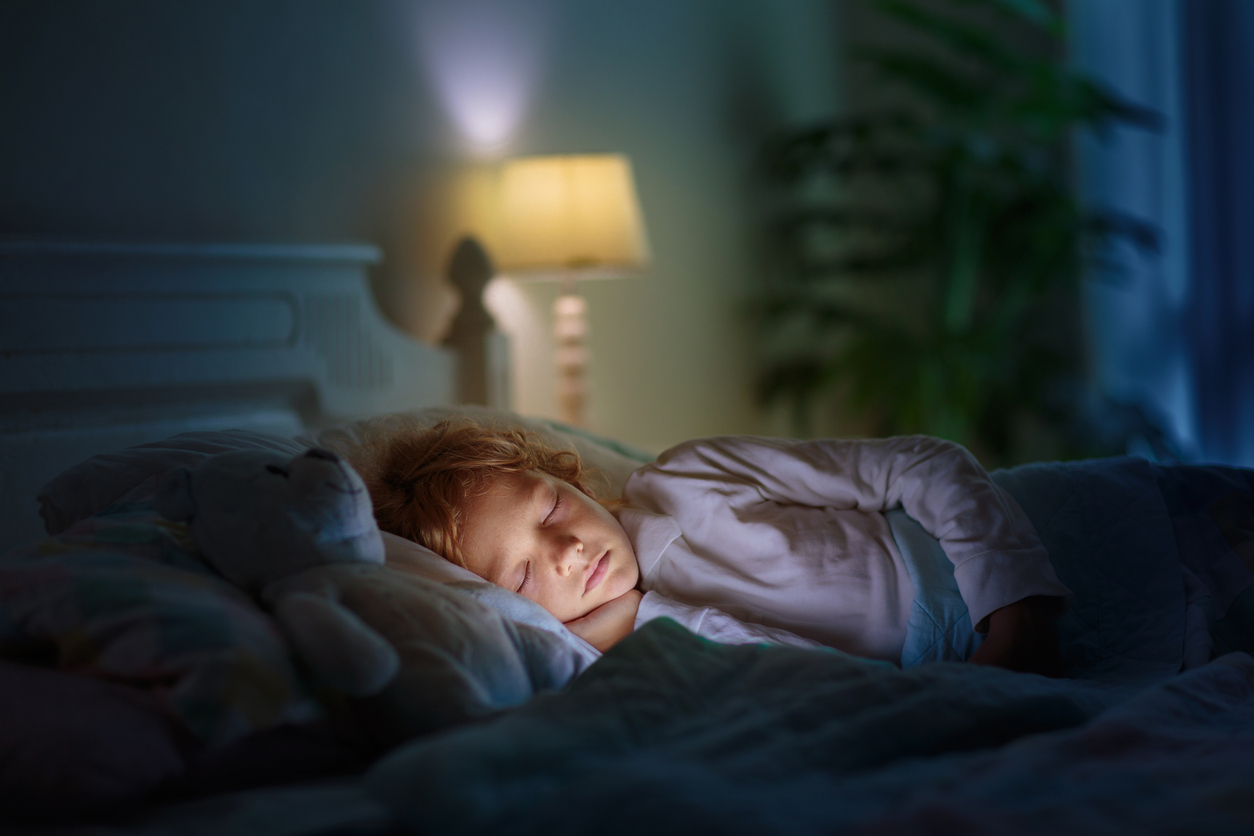
Nighttime is often when parents feel the most uncertainty about their child’s psychic or ESP experiences. During the day, distractions and routines offer structure. At night, when the house grows quiet and lights dim, perceptive children may become more aware of subtle impressions, internal imagery, unusual sensations or hear, see, and sense an otherworldly presence.
As spring approaches, longer daylight hours and shifting sleep rhythms can further disrupt bedtime patterns. Parents may notice that their child has more difficulty settling down, reports more vivid dreams, or speaks about intuitive or paranormal experiences more frequently at night.
Understanding why nighttime intensifies perception can help parents respond with steadiness rather than alarm.
Why Nighttime Feels Different for Perceptive Children
At night, external stimulation decreases. Noise softens. Activity slows. For many children, this quiet allows the mind to relax. For perceptive children, however, reduced external input can make internal impressions more noticeable. Spirits and otherworldly presence exist around us all the time, just as the stars are always out. But during the daytime, it is more difficult to feel and see stars or spirits. When the sun goes down, at nighttime, we can see the stars. The same is true of psychic impressions of spirits or presence, and children may be able to feel, sense, see or hear this contact more when it is dark.
Some children report:
- Vivid dreams that feel meaningful
- Sensing a presence when the house is quiet
- Hearing or seeing something briefly before sleep
- Heightened awareness when waking in the night
These experiences do not automatically indicate danger or pathology. Often, they reflect a child’s increased sensitivity combined with the natural imaginative and intuitive activity that occurs during sleep transitions and when it is dark.
Parents looking for foundational context around Exceptional Experiences (ExE) can revisit educational resources on the Perceptive Children home page, which emphasizes calm observation over immediate interpretation.
Spring and Sleep Disruption
Seasonal change can alter sleep patterns. Increased daylight can delay melatonin production. Schedules may shift. Outdoor play and school events increase stimulation.
For perceptive children, even mild sleep disruption can heighten emotional sensitivity and make psychic or ESP experiences feel stronger. Fatigue lowers regulation. A tired child may describe experiences more intensely simply because their nervous system is overstretched.
Before assuming escalation, it can be helpful to evaluate:
- Bedtime consistency
- Evening screen exposure
- Late-day activities
- Overall sleep quantity
Often, improving sleep hygiene reduces nighttime distress without directly addressing the experiences themselves.
Distinguishing Fear From Curiosity
One of the most important distinctions parents can make is whether a child is frightened or simply describing an experience.
Less concerning signs include:
- A calm tone when describing an experience
- Curiosity rather than panic
- Ability to return to sleep easily
- No daytime impairment
More concerning signs include:
- Persistent fear of going to bed or being in their room at night
- Repeated night awakenings with anxiety
- Avoidance behaviors
- Significant emotional distress
Parents often find reassurance in reviewing concerns addressed in the Frequently Asked Questions section, which clarifies when experiences are typically manageable and when additional support may be helpful.
How to Respond at Night
Nighttime is not the best time for detailed discussion. If a child shares something unusual before bed or after waking, the most supportive response is brief, calm reassurance.
Helpful approaches include:
- Speaking softly and steadily
- Keeping lights dim or keeping a night light on through the night
- Avoiding extended questioning
- Reassuring the child of safety
Statements such as “You’re safe. I’m here.” “You can tell whatever you feel or see to go away and leave you alone. It cannot harm you” are often more effective than asking for explanations.
The goal at night is regulation, not interpretation.
Creating a Calmer Bedtime Environment
Perceptive children benefit from predictable, soothing routines. Helpful practices may include:
- A consistent bedtime schedule
- Quiet wind-down time before sleep
- Gentle sensory cues such as soft lighting, keeping a night light on in the room
- Limiting stimulating conversations late at night
Some parents find that calming activities like reading, soothing music or quiet reflection reduce nighttime intensity.
Tracking patterns over time can also be helpful. The parent intake survey provides a structured way to observe when experiences occur and whether they correlate with fatigue or stress.
When to Consider Professional Support
Although many nighttime experiences resolve naturally, additional guidance may be appropriate if:
- Fear persists for several weeks
- Sleep disruption significantly affects daytime functioning
- The child expresses ongoing anxiety
- Experiences feel intrusive or overwhelming
Consultation with professionals familiar with Exceptional Experiences is important. Parents who would like thoughtful, developmentally informed guidance can explore next steps through the Contact page.
Helping Children Feel Empowered, Not Afraid
It is important for children to feel that they can talk about experiences without causing alarm. When parents remain calm and measured, children are less likely to interpret nighttime impressions as dangerous.
Parents seeking additional perspective may find Dr. Athena Drewes’ book Psychic Protection: Understanding and Dealing with Spirit Contact helpful. It is available through the Perceptive Children book shop.
By strengthening sleep routines, protecting emotional safety, and avoiding dramatic reactions, parents can help perceptive children navigate nighttime experiences with stability and confidence.